

NEW IN: Hypro Premium Dog Food - SHOP NOW

0

Your Cart is Empty

3 min read

 With the passing of the winter solstice, our days will now start becoming longer. In the same way as the changes to the circadian rhythm both ourselves and our pets experienced when our days became shorter, this day length reversal can lead to subsequent changes in the mitochondria which can impact the microbial ecosystem within our microbiome.
 
But what is the mitochondria?
 
Think of the mitochondria as the "powerhouses of the cell," like the battery in your car. These little powerhouses can generate approximately 90% of energy needed for survival through biological processes which includes converting nutrients for use within the body. These little power supplies can also influence cell metabolism, cell signalling and even manage cell death. This circadian rhythm is both yours and your pets innate biological clock which helps regulate your sleep-wake pattern.
 
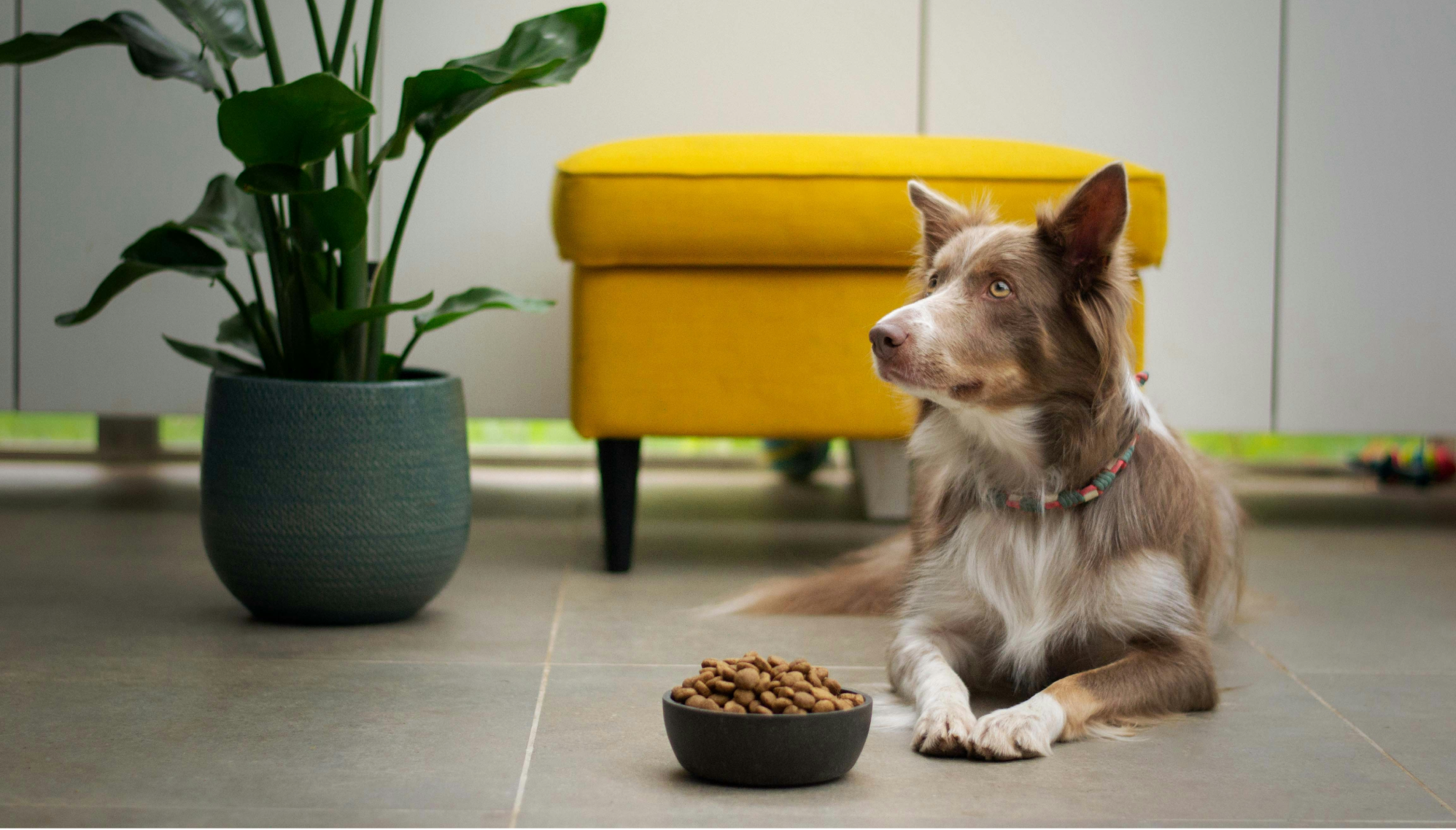
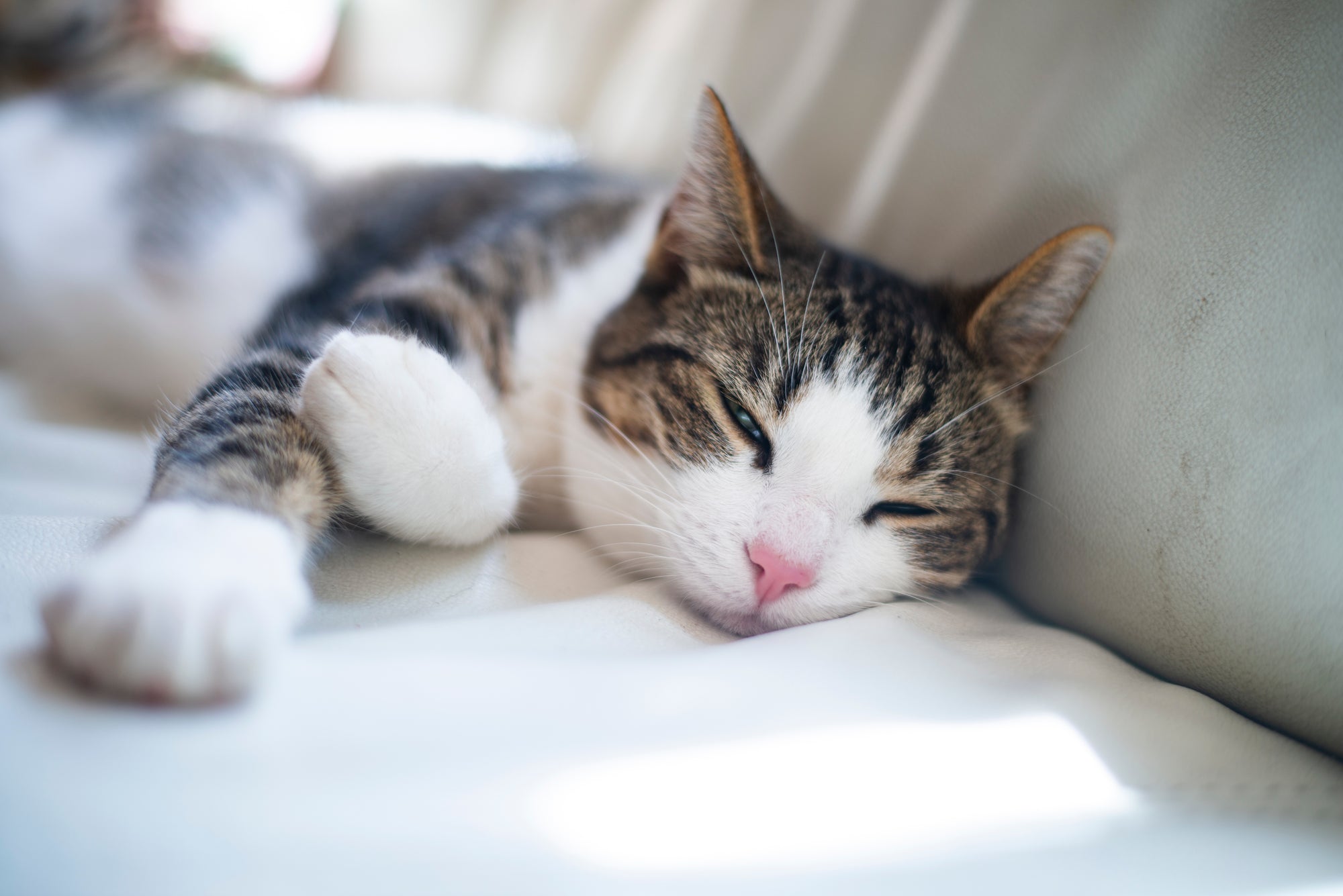
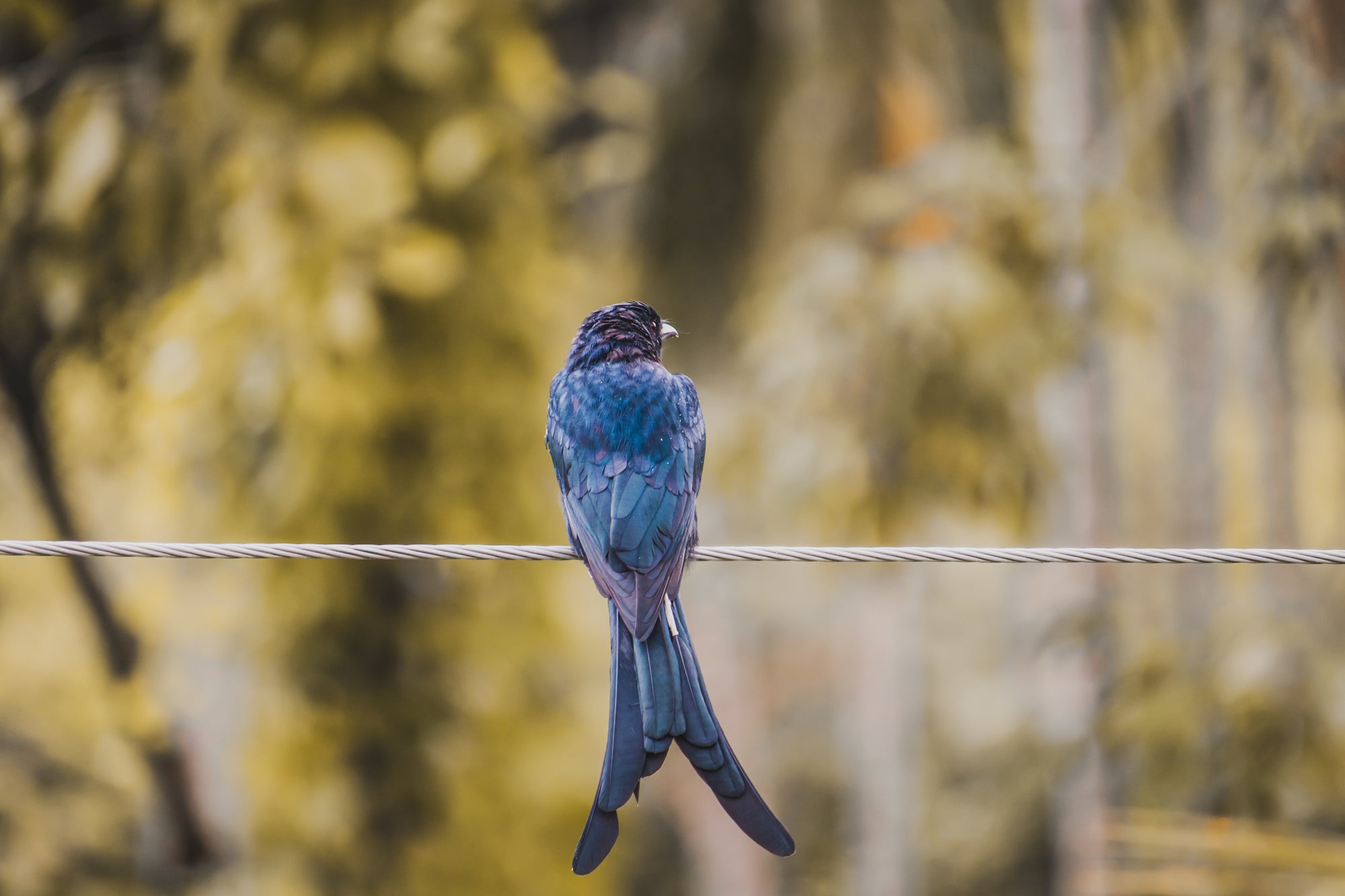
Many owners of birds will notice a significant change in the behaviour of the animal as the bird may become quite depressed during this occurrence and lead to a dramatic moult. Similarly, equine enthusiasts might often observe horses in natural environments literally dropping their winter coats overnight. With people, this might be noticed when moving interstate, or more significantly when flying to a different time zone, experiencing what is commonly referred to as “jetlag”. Often with our domestic pets, there are subtle changes that, though not as dramatic, may still cause a little angst for both the owner and pet. These might include minor behavioural changes or a seasonal sensitivity like flaky skin, or a dandruff-like symptom.
 
Normally, Mother Nature will allow a species time to adjust to these changes of a minute or two a day. However, when these circadian rhythm changes occur, the role of the mitochondria can shift leading to some changes in the microbiome. This can cause an immune response from our microbiome if underlying dysbiosis of the gut is present. Dysbiosis is where the microbial population of the digestive tract has experienced a loss of microbial diversity. This occurs because of metabolic or oxidative stress, environmental challenges, medications (including parasitic control), pollution, stress, anxiety, diet or was maybe just born that way due to genetics. Basically, anything that goes in, on, or around an animal or human, can affect the delicate ecosystem of the intestinal microbiome.
 
This microbial ecosystem is not only impacted by the above but is influenced by external triggers and cues from the environment that lead to circadian changes. There is an intimate bidirectional relationship between the mitochondria and the microbiome, with constant communication.This interaction through both metabolites and molecular signals helps regulate our metabolism, energy, and boosts immunity. Mother Nature has performed all this successfully, alongside evolution as mitochondria, which has developed from an ancient form of bacteria!
 
But don’t forget Mother Nature does this change slowly. How many of us don’t have proper sleep patterns? How many of us have a diurnal animal life style (active mainly during the day) way past when the sun has set for the night?
 
To help support and mitigate any potential changes, correct diet is imperative. However, there is never a wrong time to add probiotics to an animal’s daily diet, particularly when a foreseeable change is on the horizon.
 
There is now ample evidence the protective qualities of anthocyanins can help mitigate stress and support positive regulation on mitochondrial function. Accordingly, try adding Purple Boost which is a 9-strain probiotic (134million cfu/gram) with anthocyanins.
Apart from assisting with the mitochondrial changes, anthocyanins increase organ function by boosting red blood cell delivery, moderating blood glucose, maintaining liver histology, increasing capillary strength, and facilitating growth of existing microbes. It also has anti-inflammatory properties. A slow introduction to the Purple Boost is recommended, building gradually to the recommended amount, or to the amount that is suitable for the individual animal.


Also in Blog Posts

Hypro Premium Dog Food
Hypro Premium Dog Food - Now Available at Robbos pet barn

2 min read

Introducing Hypro Premium Dog Food at Robbos. Robbos pet barn is proud to introduce Hypro Premium Dog Food to its esteemed lineup of pet food. Shop the latest range today.


Read More
Can dogs eat bananas? And other foods you might not be sure of.

5 min read

When it comes to our furry friends, all it sometimes takes is their wanting looks up at the dinner table to convince us to give them a nibble to try. But as loving pet owners, we want to make sure we're feed them the right things.
Read More
LifeWise Dog Food: Wholesome Nutrition for Every Stage of Your Dog's Life

3 min read

Discover Lifewise's diverse assortment of pet food tailored for dogs and cats of every breed and life stage, perfect for pets with sensitivities or specific dietary requirements like grain-free options.
Read More